

Amidst efforts to address a growing housing crisis, new construction in Greater Boston is slowing down. This slowdown will affect both residential and commercial projects, becoming noticeable in the

Dated: November 28 2023
Views: 52
Amidst efforts to address a growing housing crisis, new construction in Greater Boston is slowing down. This slowdown will affect both residential and commercial projects, becoming noticeable in the market by mid-2024 to 2025. As a consumer and Boston realtor, it is important to understand how this slowdown may impact individuals interested in buying property in the Boston area.
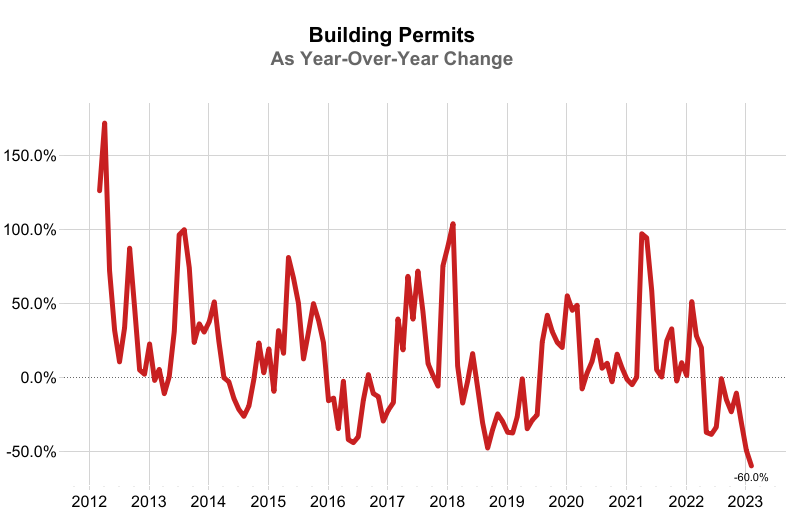
The construction slowdown in Greater Boston poses challenges for real estate professionals and consumers alike. Staying informed about government initiatives, developer responses, and market dynamics is crucial for navigating the evolving real estate landscape in the long run. The decisions made today can affect the goals you have years down the road.
Amidst efforts to address a growing housing crisis, new construction in Greater Boston is slowing down. This slowdown will affect both residential and commercial projects, becoming noticeable in the
Is this Really the Best time to buy a house? Let's look at some of the historical data...In September 2023, the medium home price in Boston dropped from a high of $735,000 in July to $685,000.
Growing Your Net Worth through HomeownershipTake a minute to imagine where you want to be in a few years. You might be thinking about your job, money, relationships, or overall goals you're reaching
Home Prices Are Not FallingDuring the fourth quarter of last year, so many housing "experts" projected home prices were going to crash in 2023. The media, yet again, ran with those
 Massachusetts MLS Property Info Network (MLSPIN) - The property listing data and information set forth herein were provided to MLS Property Information Network, Inc. from third party sources, including sellers, lessors and public records, and were compiled by MLS Property Information Network, Inc. The property listing data and information are for the personal, non commercial use of consumers having a good faith interest in purchasing or leasing listed properties of the type displayed to them and
may not be used for any purpose other than to identify prospective properties which such consumers may have a good faith interest in purchasing or leasing. MLS Property Information Network, Inc. and its subscribers disclaim any and all representations and warranties as to the accuracy of the property listing data and information set forth herein. Last Update: September 23, 2026 6:17 AM UTC
Show More...
Massachusetts MLS Property Info Network (MLSPIN) - The property listing data and information set forth herein were provided to MLS Property Information Network, Inc. from third party sources, including sellers, lessors and public records, and were compiled by MLS Property Information Network, Inc. The property listing data and information are for the personal, non commercial use of consumers having a good faith interest in purchasing or leasing listed properties of the type displayed to them and
may not be used for any purpose other than to identify prospective properties which such consumers may have a good faith interest in purchasing or leasing. MLS Property Information Network, Inc. and its subscribers disclaim any and all representations and warranties as to the accuracy of the property listing data and information set forth herein. Last Update: September 23, 2026 6:17 AM UTC
Show More...
 Copyright 2026 PrimeMLS. All rights reserved. This information is deemed reliable, but not guaranteed. The data relating to real estate displayed on
this Site comes in part from the IDX Program of PrimeMLS. The information
being provided is for consumers' personal, non-commercial use and may
not be used for any purpose other than to identify prospective properties
consumers may be interested in purchasing. Data last updated September 23, 2026 6:41 AM UTC
Copyright 2026 PrimeMLS. All rights reserved. This information is deemed reliable, but not guaranteed. The data relating to real estate displayed on
this Site comes in part from the IDX Program of PrimeMLS. The information
being provided is for consumers' personal, non-commercial use and may
not be used for any purpose other than to identify prospective properties
consumers may be interested in purchasing. Data last updated September 23, 2026 6:41 AM UTC
 All information deemed reliable but not guaranteed. All properties are subject to prior sale, change or withdrawal. Neither listing broker(s) or information provider(s) shall be responsible for any typographical errors, misinformation, misprints and shall be held totally harmless. Listing(s) information is provided for consumer's personal, non-commercial use and may not be used for any purpose other than to identify prospective properties consumers may be interested in purchasing. The data relating
to real estate for sale on this website comes in part from the Internet Data Exchange program of the Multiple Listing Service. Real estate listings held by brokerage firms other than eXp Realty in Massachusetts may be marked with the Internet Data Exchange logo and detailed information about those properties will include the name of the listing broker(s) when required by the MLS. Copyright ©2026 All rights reserved.
Last Updated: September 23, 2026 6:27 AM UTC
Show More...
All information deemed reliable but not guaranteed. All properties are subject to prior sale, change or withdrawal. Neither listing broker(s) or information provider(s) shall be responsible for any typographical errors, misinformation, misprints and shall be held totally harmless. Listing(s) information is provided for consumer's personal, non-commercial use and may not be used for any purpose other than to identify prospective properties consumers may be interested in purchasing. The data relating
to real estate for sale on this website comes in part from the Internet Data Exchange program of the Multiple Listing Service. Real estate listings held by brokerage firms other than eXp Realty in Massachusetts may be marked with the Internet Data Exchange logo and detailed information about those properties will include the name of the listing broker(s) when required by the MLS. Copyright ©2026 All rights reserved.
Last Updated: September 23, 2026 6:27 AM UTC
Show More...
